- News
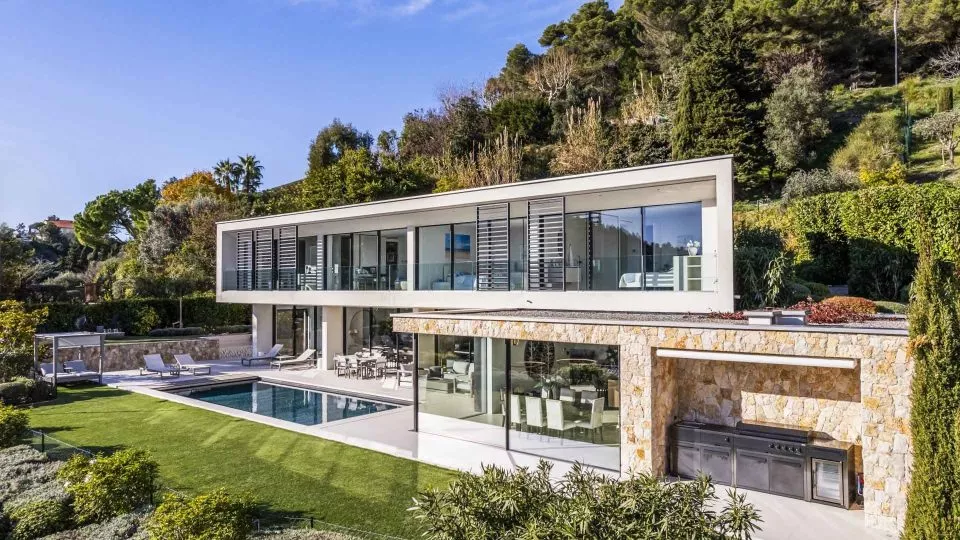
When acquiring a luxury estate on the French Riviera, it is essential not to overlook the associated taxation. These prestigious properties are subject to specific regulations that must be well understood to optimize wealth management. This article aims to inform our clients about the key tax components involved and highlights our expertise at Douglas Elliman France, where over 20 years of experience in luxury real estate ensure you a tailored service.
Property Tax: A Recurring Obligation
Property tax is collected annually by local authorities and is divided into two components:
Tax on Unbuilt Properties (TFPNB):
If your estate includes land or undeveloped spaces, these are also subject to a specific tax.
Tax on Built Properties (TFPB):
This tax applies to constructed buildings, including luxury houses and apartments. The amount is calculated based on the property’s cadastral rental value, multiplied by the rate set by the municipality.
Since 2023, the housing tax has been abolished for the vast majority of households in France. This reform, implemented gradually, has resulted in a full exemption for primary residences. However, this exemption does not apply to secondary residences. Therefore, for luxury estates, which are often classified as secondary residences, the housing tax remains in effect. Owners of such properties must continue to account for this tax in their financial management.
The sale of a luxury estate generally generates significant capital gains. These are subject to tax upon resale, according to a progressive scale established by the tax authorities. The capital gain is the difference between the sale price and the original purchase price, adjusted by certain costs such as renovation expenses and acquisition fees.
The Real Estate Wealth Tax (IFI) has replaced the Wealth Tax (ISF) since 2018. It is due from households whose net taxable real estate assets exceed €1.3 million. The tax base includes real estate properties owned directly or through shares in real estate investment companies (SCI).
To minimize the impact of the IFI, several strategies can be considered:
The transfer of luxury estates through inheritance is subject to specific taxes calculated based on the value of the property and the familial relationship with the heir. There are legal allowances that help reduce the taxable base before the progressive inheritance tax rates are applied.
To avoid excessive inheritance taxes, making gifts during one’s lifetime is often a wise strategy. In France, each donor benefits from allowances that are renewed every 15 years, allowing for the gradual transfer of wealth while minimizing taxation.
At Douglas Elliman France, we understand that the taxation of luxury estates requires specialized expertise. With over 20 years of experience in luxury real estate, our team is dedicated to providing tailored and effective solutions to meet the needs of our wealthy clients. Our goal is to guide you through every step of your acquisition or sale, while maximizing tax benefits to preserve and grow your wealth on the beautiful French Riviera.